
Saudi Arabia is actively courting foreign investments to propel its ambitious economic diversification plan i.e. Vision 2030. The Kingdom regards Saudi-China’s close friendship and China’s growing outbound investments as a lucrative opportunity to shift its heavy reliance on oil wealth to other Saudi markets. At the Arab-China Business Conference held in Riyadh in 2023, Saudi Investment Minister Khalid al-Falih said at the event that the “time has come” for China to become the “principal investment partner in the Arab world’s development drive”. However, Saudi businesses looking to attract Chinese investments need to navigate the intricacies of the Chinese market and use a strategic marketing approach. This comprehensive guide equips Saudi firms and corporations with the knowledge and tools to unlock the full potential of this emerging and dynamic partnership.
Key Facts:
- Chinese investors can now buy Saudi stocks through two exchange-traded funds launched in Shanghai and Shenzhen.
- China is a top greenfield foreign direct investor in Saudi Arabia. In 2023, China represented 58% of all new business investments made in Saudi Arabia, totalling US$16.8bn.
- Saudi Arabia received 140,000 Chinese tourists in 2023, following the decision by Beijing to designate it as a group tourist destination and expand cultural exchanges in December 2022,
- China exported $20B to Saudi Arabia in 2022. Cars ($2.69B), Broadcasting Equipment ($1.67B), and Other toys ($1.1B) were the main products that China shipped to Saudi Arabia.
Overview of China’s Investment Surge: A Global Phenomenon
China’s outward direct investment (ODI) has witnessed a surge over the past two decades, transforming the global investment landscape. In 2023, it reached a staggering 1.04185 trillion yuan (US$147.85 billion), reflecting a 5.7% increase from the previous year. This figure represents a remarkable growth trajectory from a modest US$2.7 billion (RMB 19.74 billion) in 2002.
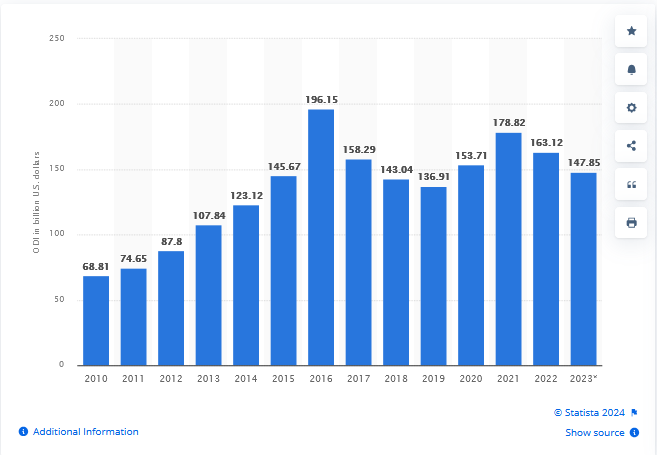
Annual outflow of foreign direct investment (FDI) from China between 2010 and 2023 (in billion U.S. dollars)
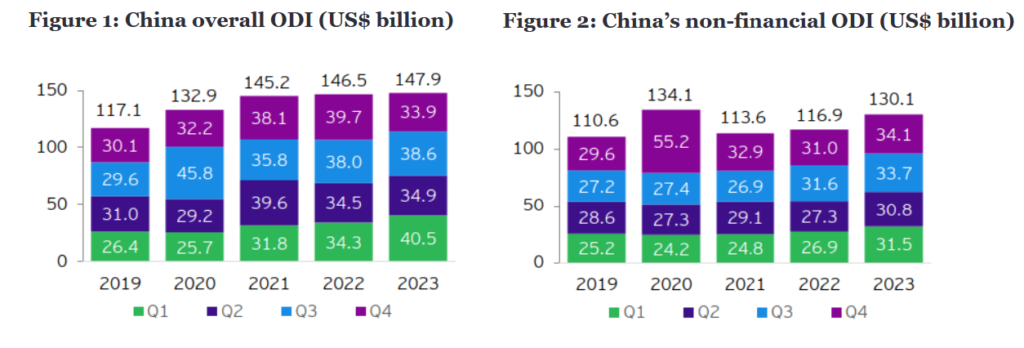
Source: Monthly Statistics in Brief, China MOFCOM
Key Factors Behind the Surge
Several key factors have fueled this boost in Chinese outbound investment. The following are the prominent ones:
Belt and Road Initiative (BRI)
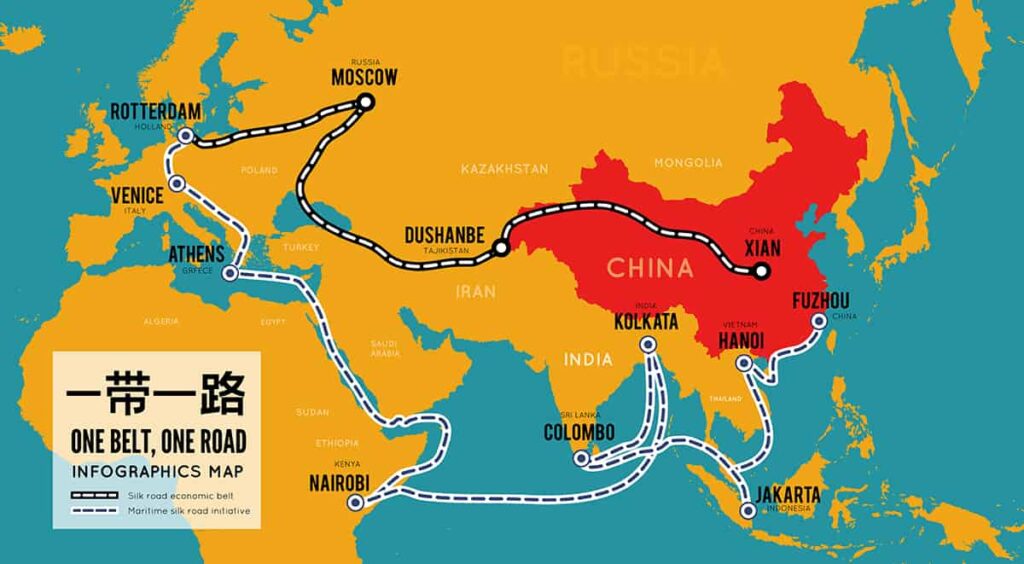
One Belt, One Road Map
Belt and Road Initiative (BRI) was launched in 2013 by President Xi Jinping to establish a network of trade and infrastructure connections between Asia, Africa and Europe. This initiative has opened up new investment opportunities for Chinese companies, particularly in developing countries. According to EY’s report, non-financial ODI into Belt and Road partner countries amounted to US$31.8bn in 2023 reflecting an increase of 22.6% year on year.
Investment Diversification
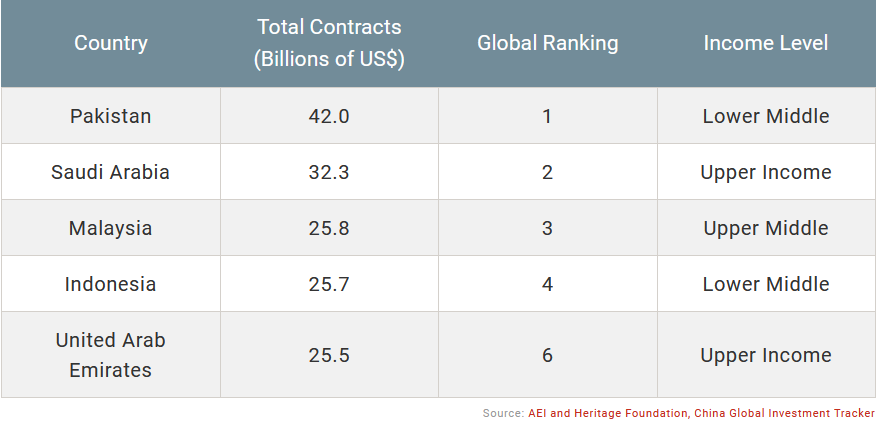
Top Destinations for Chinese Construction Projects in Asia and Oceania (2005 – 2019)
China is actively looking to expand its outbound investments outside developed countries by exploring opportunities in emerging markets. The aim here is to reduce risks associated with reliance on specific markets and access new sources and locations. Furthermore, “Chinese enterprises are directing their investments into overseas projects centred around green initiatives, digital advancements, and new infrastructure.” as reported by China Briefing.
Economic Growth and Capital Accumulation
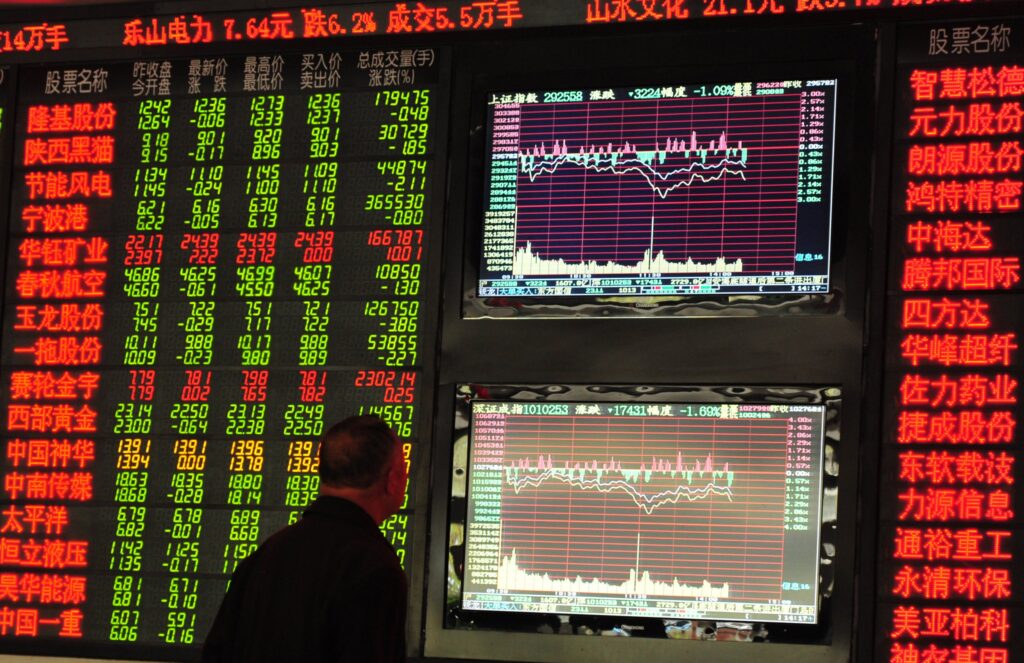
In 2023, per capita GDP in China reached around 12,514 U.S. dollars
China has accumulated significant domestic capital as a result of its strong economic growth over the past few decades. The surplus capital is being invested in offshore investments to yield higher returns and access to global markets.
With China’s outward investment transforming the global landscape, the search for new opportunities intensifies. Enter Saudi Arabia, a Kingdom brimming with potential and strategically positioned to become a key player in this dynamic investment scene. The following section delves deeper into why Saudi Arabia is emerging as a magnet for Chinese capital.
Saudi Arabia: A Magnet for Chinese Capital
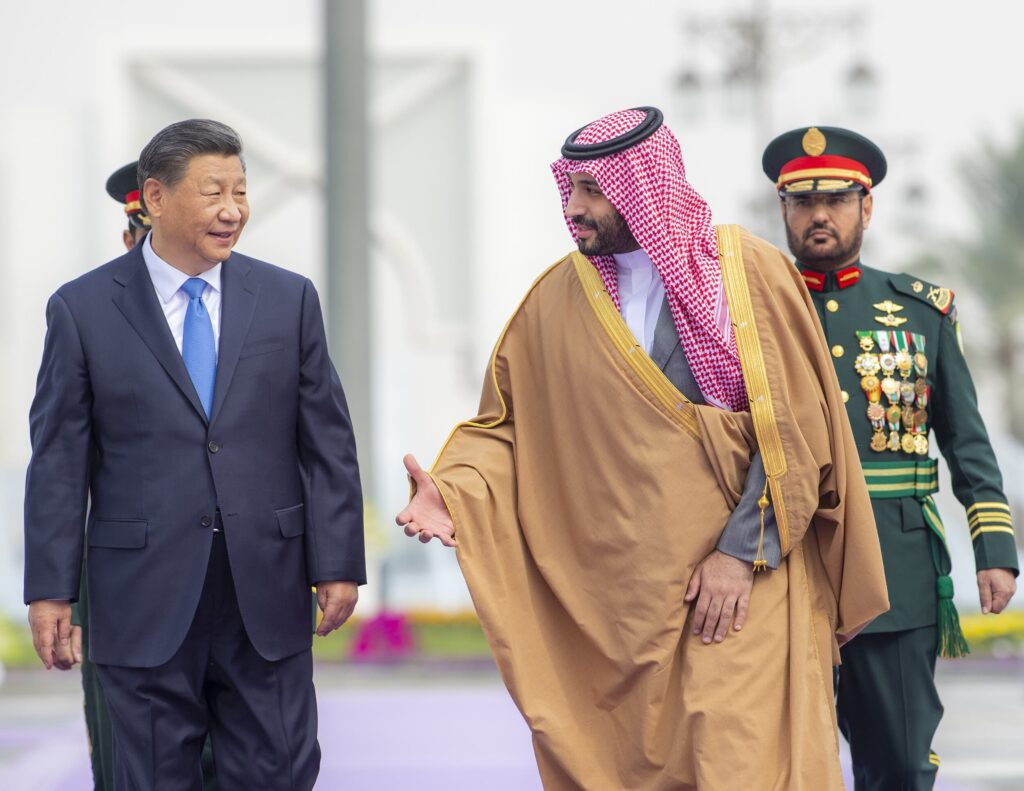
President Xi Jinping Arrives in Riyadh to Attend the First China-Arab States Summit ( December 2022) and the China-GCC Summit and Pay a State Visit to Saudi Arab
The kingdom offers a unique set of advantages to China i.e. strategic location, vital role in global energy security, and its ambitious economic diversification plans outlined in Vision 2030. The confluence of these factors combined with mutual economic interests creates a win-win situation for both China and Saudi Arabia.
Strategic Location
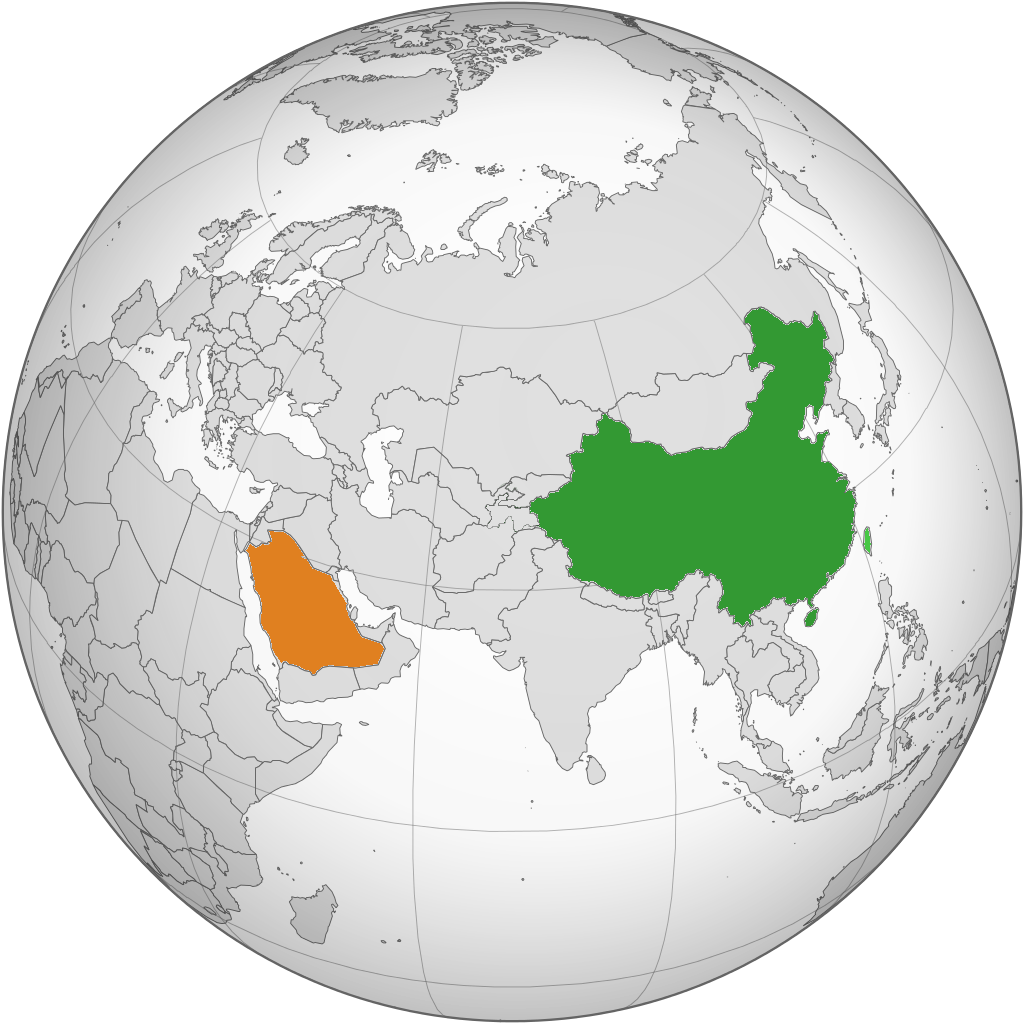
Saudi Arabia: China’s Gateway to the Middle East
Positioned at the crossroads of Asia, Africa and Europe, Saudi Arabia serves China as a gateway to the Middle East. This locational advantage provides Chinese companies three major advantages in Saudi Arabia; it acts as a gateway to a vast and lucrative market with a combined GDP exceeding US$7 trillion, thereby gaining ease of access to large numbers of consumers and potential for regional growth.
In addition, Saudi Arabia boasts world-class infrastructural development that includes modern ports such as the Jeddah Islamic Port which acts as one of the main hubs for trade traversing through the Red Sea. Consequently, this highly efficient system of logistics enables the free movement of commodities lowering the cost of transportation and shortening delivery times for Chinese commercial entities entering these markets.
Lastly, compared to other areas, the Middle East offers a relatively moderate level of political and economic stability that is crucial to Chinese investors. The politically stable government in Saudi Arabia with an emphasis on economic development creates a secure environment for long-term investments hence making itself attractive to Chinese capital.
Energy Security
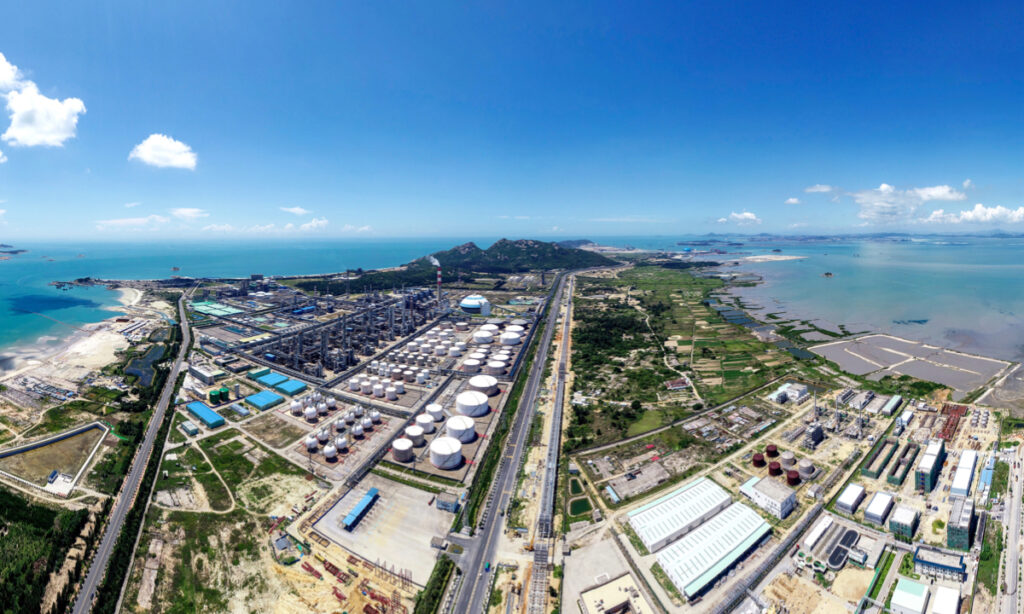
China’s Silk Road Fund acquired a 49 per cent stake in the Saudi renewable-energy company ACWA Power.
The Saudi-China energy trade benefits both nations. China gets a secure source of oil, expands the renewable power sector, and strengthens its technological prowess. In return, Saudi Arabia acquires economic assistance, access to the latest technology, and market opportunities for renewable energy. This collaboration complements both countries’ strategic goals: The energy diversification of China and the shift of Saudi Arabia from an oil-dependent economy.
Vision 2030
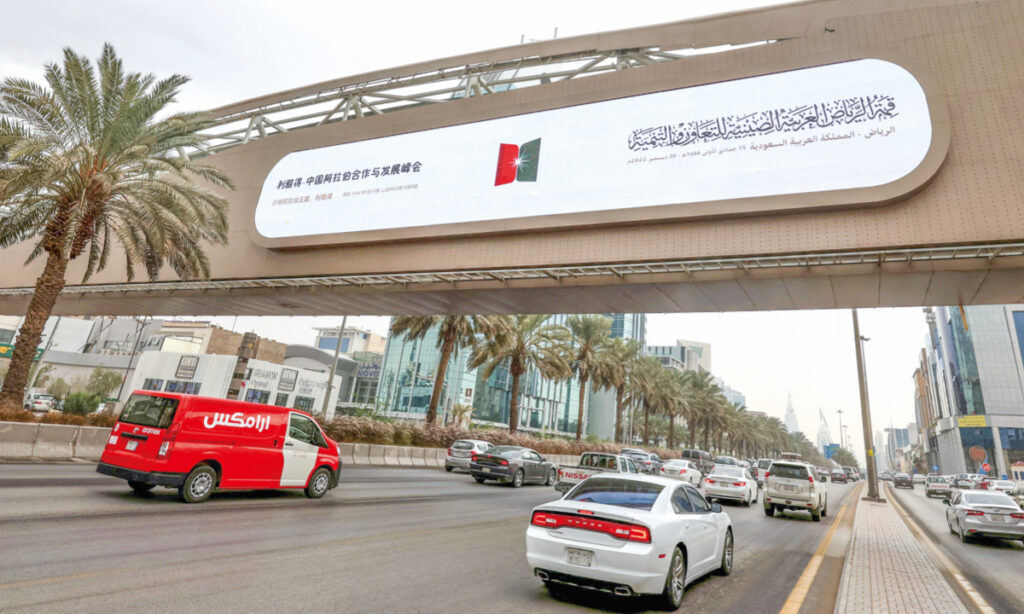
Riyadh Arab-Chinese Cooperation and Development Summit
The Kingdom’s new economic development plan, Vision 2030 presents an enormous array of profitable opportunities for Saudi Arabia and Chinese investors. Gigantic projects such as Neom and King Abdulaziz Economic City require a significant import of construction materials, processed products, and water treatment equipment. This will enable Chinese investors to do business with Saudi enterprises concerning construction, manufacturing, and allied sectors. This dynamic allows Saudi markets to benefit by receiving help and funding from China while Chinese firms obtain a position in large-scale projects that will define the future of the kingdom.
China’s Investment Landscape in Saudi Arabia: Beyond Oil
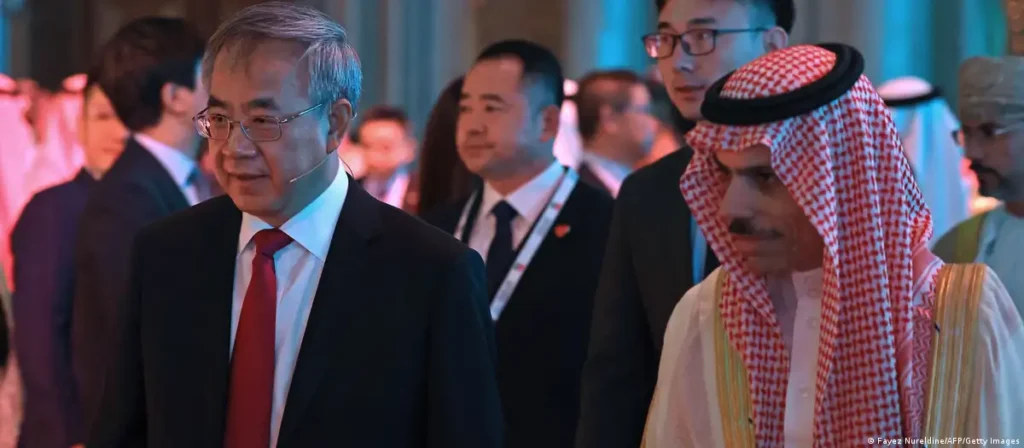
China and Saudi Arabia announced $10 billion in investments in mining, technology, and renewables at a summit in Riyadh.
In 2023, China became ‘the largest greenfield foreign direct investor in Saudi Arabia”. According to a report from Emirates, its investment in the kingdom increased 11 times to US$16.8 billion in 2023 compared with the previous year. Below is the breakdown of major sectors in Saudi Arabia that receive Chinese investment.
Electric Vehicles (EVs)

Shanghai Auto Show
China is now taking over Saudi Arabia’s electric vehicle (EV) space. A $5.6 billion joint venture between Human Horizons and the Saudi Ministry of Investment is a full Chinese entry into the Saudi EV market, covering research, development, manufacturing, and sales. This is part of a bigger trend as many Chinese EV companies are partnering with Saudi companies. Enovate’s partnership with Sumou Holding for a $500 million facility is a case in point.
And the Saudi Public Investment Fund (PIF) is also in the EV space through its partnership with local EV brand Ceer. This convergence of Chinese investment and Saudi government support shows both countries are determined to shape the future of electric mobility in the region.
Metals

China’s Baosteel signs a deal with Saudi Aramco, 2023
China is also making big moves in Saudi Arabia’s metals sector. With over $1 billion invested in 2023 alone, Chinese companies are driving large projects like the $4 billion Baoshan Iron & Steel metal plate manufacturing facility in Ras Al-Khair. This will be a big boost to Saudi Arabia’s industrial landscape.
Semiconductors
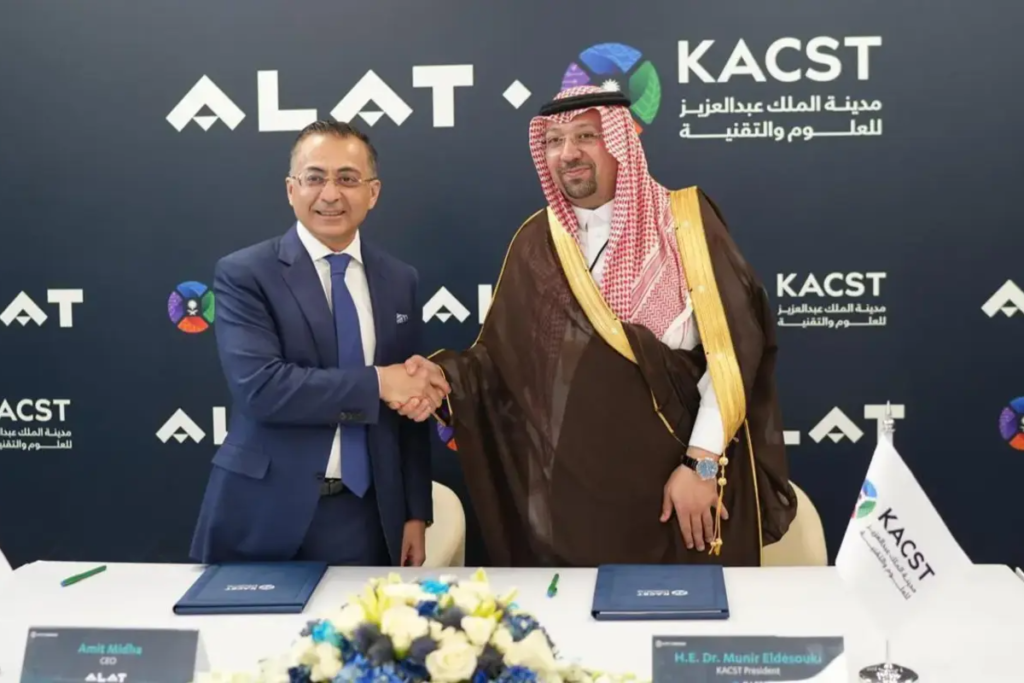
KACST inks 13 partnership agreements to build semiconductor systems at LEAP 2024
China invested $4.26 billion in 2023 in the semiconductors market in Saudi Arabia. This trend suggests a potential focus on developing Saudi Arabia’s technological capabilities and positioning the country as a player in the global chipmaking industry.
Renewables
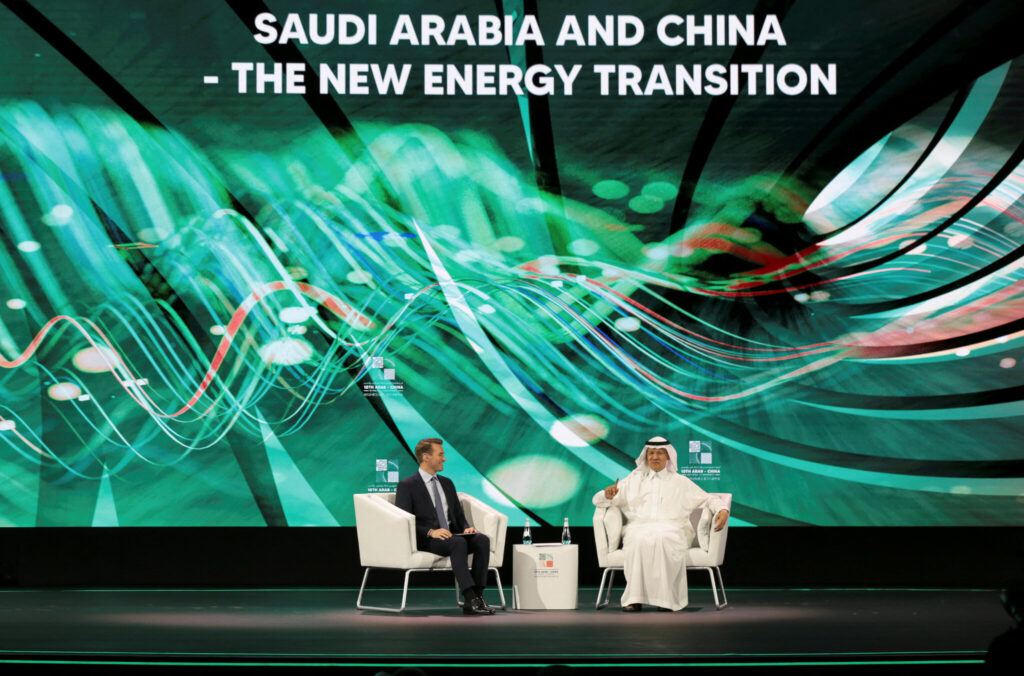
Saudi Minister of Energy, Prince Abdulaziz bin Salman during the 10th Arab-China Business Conference in Riyadh on Sunday. (©Ahmed Yosri/Reuters)
China’s Silk Road Fund has acquired a stake in ACWA Power, a key Saudi renewable energy company. This indicates ongoing interest in supporting Saudi Arabia’s clean energy initiatives and reducing its carbon footprint.
FinTech
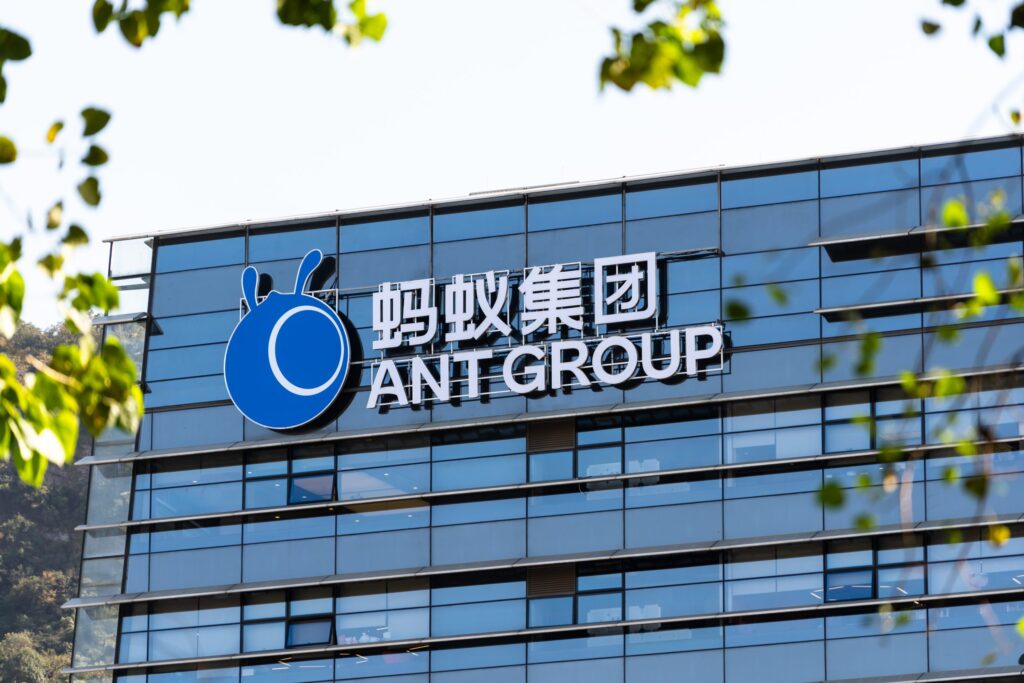
Ant Group, formerly known as Ant Financial, is an affiliate company of the Chinese conglomerate Alibaba Group
Ant Group has entered the Saudi Arabian market through a partnership with the Saudi Ministry of Investment. This strategic market entry will see the fintech giant set up a local presence to provide digital payment solutions and financial services for Saudi merchants. By simplifying cross-border payments and offering familiar financial tools, Ant Group will help increase Chinese investment and economic growth in the region.
Tourism: An Emerging Investment Frontier

Chinese company Haichang Ocean Park Holdings to build an ocean park in Saudi Arabia
In December 2022, China recognized Saudi Arabia as a destination for group tours which resulted in an influx of Chinese tourists of up to 140,000 at the end of year 2023. “CEO of the Saudi Tourism Authority Fahd Hamidaddin said that the Kingdom’s approval as a tourist destination for Chinese visitors reflects Saudi Arabia’s continuous efforts and participation in trade shows and conferences, leading to agreements with Chinese organizations.” as reported in Arab News.
The Kingdom has also set a goal of positioning China as its third-largest source market for international arrivals by 2030 and attracting 5 million Chinese tourists by 2030.
“The Saudi Tourism Authority has played a crucial role in visa facilitation, reduced fees, improving air connectivity, and ensuring destination readiness with Mandarin-language information available on www.visitsaudi.cn, Mandarin signage at airports, and Mandarin-speaking tour guides and hotel staff. Saudi Arabia’s Tourism Minister Ahmed Al-Khateeb ”
(For a detailed marketing guide tailored to attracting Chinese tourists, see our article on Chinese Outbound Tourism in Saudi Arabia)
The benefits of Chinese investments in the Saudi tourism industry will also manifest in constructing luxurious hotels and resorts, expanding transport networks, and establishing international-class entertainment places. For instance, a recent agreement between Haichang Ocean Park Holdings and Saudi Arabia regarding the construction of the kingdom’s first large-scale ocean park represents China’s increasing presence in Saudi Arabia’s tourism sector.
To capitalize on Chinese capital, Saudi businesses must implement sophisticated marketing strategies tailored to the Chinese investor profile. Understanding Chinese investment preferences, cultural nuances, and regulatory environments is paramount. By highlighting the kingdom’s economic potential, political stability, and investment incentives through targeted marketing campaigns, Saudi businesses will enhance their attractiveness to Chinese investors and secure the necessary capital to fuel growth and development.
Ultimate Strategies for Saudi Businesses
This section dives into the unique challenges and considerations Saudi businesses must navigate when crafting their marketing strategies to attract Chinese investors. Saudi businesses should unlock the full potential of this dynamic partnership and forge mutually beneficial collaborations by equipping themselves with the right tools and knowledge.
Strategy #1 Understanding Your Chinese Investor
China is the top greenfield FDI investor in Saudi Arabia.
The first step for a successful Saudi-China partnership is understanding Chinese investors. Unlike a monolithic entity, Chinese investors come in various profiles, with diverse investment goals and risk tolerances. Conducting a thorough market study is crucial for Saudi businesses to identify the investor profiles best suited for their offerings.
- Industry Focus: Research which industries are popular among Chinese investors. Saudi corporations should align their marketing efforts with policies and trends in their sectors to capture the attention of relevant investors.
For instance, a Saudi company operating in electric vehicles (EVs) should highlight its alignment with Saudi Arabia’s EV ambitions and China’s growing focus on clean energy solutions. - Investor Type: Chinese investors encompass a broad spectrum, including state-owned enterprises (SOEs), private equity firms, and individual investors. Each type prioritises different investment criteria.
SOEs, for example, might be more interested in projects aligned with China’s Belt and Road Initiative (BRI), while private equity firms seek high-growth potential.
Saudi businesses should tailor their messaging and value proposition to resonate with the specific investor profiles they target. Saudi real estate developers should emphasize the strategic location and long-term profitability of their projects, while wealth management companies and investment banks should showcase their expertise in navigating the Saudi market. - Risk Tolerance: Chinese investors exhibit varying degrees of risk tolerance. Some may prioritize stable, long-term returns, while others might be more open to ventures with higher risk profiles and potential for significant returns. Saudi businesses should clearly outline their risk-reward profile and highlight mitigating strategies to address potential concerns.
Marketing Solution: China Market Study
A data-driven China market study will provide an in-depth analysis of the investment environment and preferences of Chinese financiers. This analysis will help Saudi firms gain insights into what exactly appeals to Chinese investors in terms of previous investment trends and industry priorities. Moreover, it provides valuable knowledge about preferred approaches and how deal structures usually look so that they can align their propositions accordingly and negotiate better. With this knowledge about Chinese investors, Saudi companies get to develop the right strategies to attract lucrative business partnerships through investments.
Strategy # 2 Building Digital Trust
Building a strong online reputation is crucial for Saudi businesses seeking to attract Chinese investors. This online presence acts as a cornerstone for trust and credibility. Chinese investors heavily rely on digital information to assess a company’s legitimacy and suitability.
However, establishing a strong online reputation in China presents unique hurdles for Saudi businesses. Content that works well in Middle Eastern markets will not translate effectively. Therefore, it is vital to tailor the brand message suitable for the Chinese target audience to overcome potential communication barriers and mispositioning. Incorporate the following marketing solutions to build online trust:
Website Localization
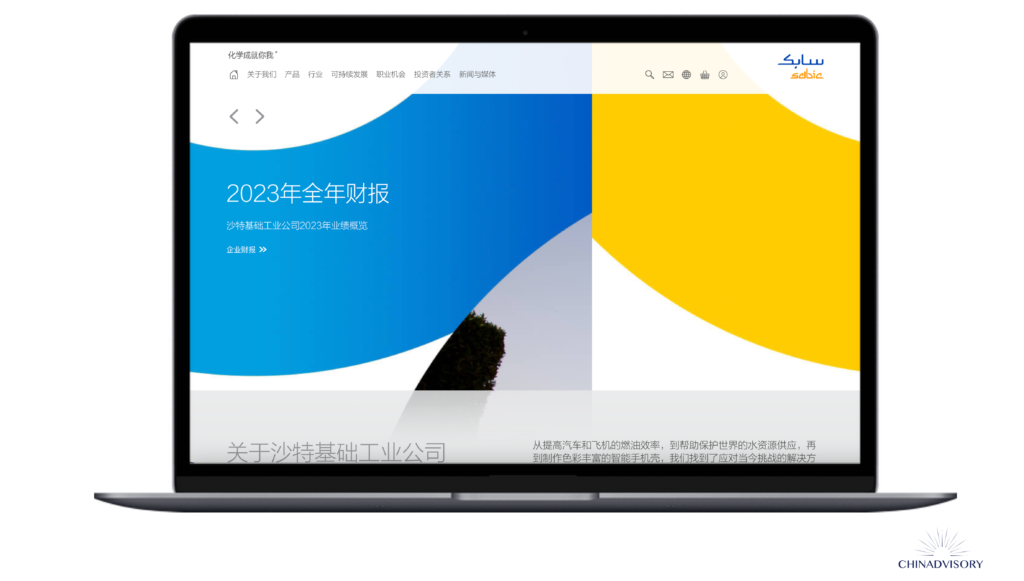
Saudi Basic Industries Corporation’s Chinese Offical Website
Saudi businesses should localize their official websites in Mandarin Chinese and optimize for Chinese search engines like Baidu. This step demonstrates a commitment to the Chinese market and enhances discoverability for potential investors.
Social Media Strategy
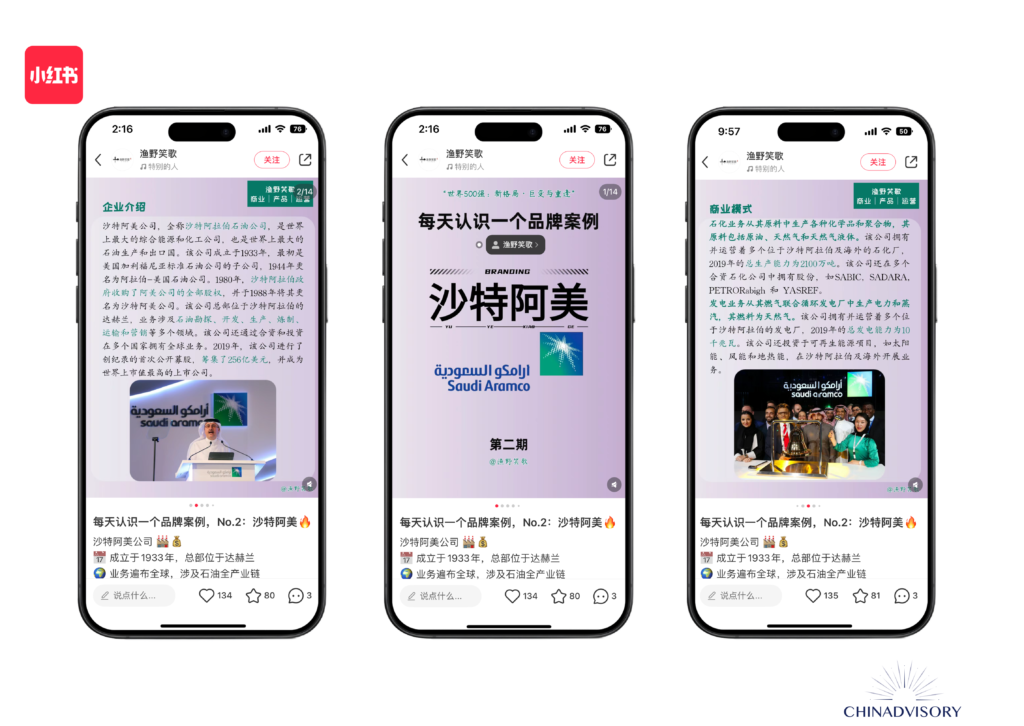
User Generated Content on Xiaohongshu for Aramco
Establishing a presence on prominent Chinese social media platforms is inevitable. Saudi firms should utilize these digital platforms to share company news, showcase their brand story, and engage with potential investors in their preferred online environment.
Positive Online Reputation: Online press release is another powerful tool. It allows companies to directly influence how potential partners and clients perceive their business impacting their online reputation assessment.
However, online reputation isn’t just about official statements. Informal opinions are formed on online forums and discussion platforms and contribute to the overall public image. Saudi professionals should build trust and positive word-of-mouth by actively participating in these online spaces and engaging with their target audience.
Trustworthiness and Credibility
Ensure all online content is accurate, transparent, and reflects the company’s values. Saudi entities should address any negative reviews promptly and professionally to maintain trust with potential investors.
Strategy # 3 Finding Your Perfect Marketing Partner
China’s investment potential is vast, but it requires a strategic partnership to navigate its complexities. Choosing the right local marketing partner is crucial for success. The following sections equip Saudi businesses, like real estate developers, wealth management companies, investment banks, and corporate service providers, with the knowledge to find their ideal marketing partner in China.
Common Pitfalls to Avoid

Many Saudi businesses face similar challenges, often due to cultural gaps and inadequate local partners. Key pitfalls to avoid include:
- Misaligned Partners: The wrong partner harms brand value and weakens the investment proposition (e.g., a Saudi real estate developer partnering with a firm lacking experience in China’s luxury property market).
- Global Rigidity: One-size-fits-all plans don’t work in China
- Brand Mismatch: Failing to localize the brand experience diminishes impact and loyalty (e.g., a Saudi wealth management company failing to tailor its investment products to Chinese clientele’s risk tolerance).
Qualities of a Strong Marketing Partner

A China marketing firm aiming to effectively serve Saudi clients should possess the following key attributes:
- Local Expertise: A marketing partner with an extensive network in China provides access to local data, cultural insights, and trust-building opportunities. Look for a partner with established relationships within the target industry and region. They should possess a deep understanding of local regulations, consumer preferences, and business etiquette.
- Industry Credibility: A well-reputed partner enhances brand credibility and facilitates connections that are crucial for cross-border partnerships. Partnering with a firm recognized by industry leaders and potential investors demonstrates the brand’s commitment to the Chinese market.
- Tailored Research: Expertise in crafting research specific to the relevant industry and target audience is vital. The ideal partner should possess a robust research methodology that goes beyond basic data collection. Look for a firm that translates insights into actionable strategies aligned with the firm’s investment goals.
- Cultural Savvy: Understanding China’s diverse cultures is key to capturing authentic consumer sentiment. A culturally sensitive partner is able to navigate regional nuances and effectively communicate the brand message. They should be adept at bridging cultural gaps and fostering trust with potential Chinese investors. Command in both Arabic and Chinese is also paramount to avoid any miscommunication and effective communication.
- Digital Platforms Savvy: The China marketing firm should be proficient in digital platforms i.e. Weibo, WeChat, Douyin, etc to reach out to Chinese investors and build a reputable brand image. A strong grip on SEO, PPC, Baidu Advertising, marketing analytics, and other key digital marketing services is vital for effective marketing to Chinese investors.
By prioritizing these qualities, Saudi firms must forge impactful partnerships that unlock China’s vast investment potential.
Conclusion
China’s booming outward investment presents a golden opportunity for Saudi businesses seeking to capitalize on Vision 2030’s diversification goals. By understanding what drives Chinese investment decisions and crafting targeted marketing strategies, Saudi ventures should position themselves to attract a significant share of this capital. However, success hinges on the right marketing approach.
Chinadvisory | Your Ideal China Marketing Partner
At Chinadvisory, we specialize in helping international companies succeed in China. With our deep market insights, extensive network, and localized expertise, we can empower Saudi businesses from diverse industries to develop and execute tailored strategies to attract Chinese investors and other stakeholders.
We help leaders make informed decisions, manage in-house operations, and onboard local partners. With our adaptable approach and team of China specialists, we provide exceptional support for your most intricate questions. From market research and product development to marketing operations and local partnerships management, Chinadvisory is your trusted partner in navigating the complexities of the Chinese investment landscape.
Contact us today to learn how we can help you leverage Chinese investments and achieve your business goals in Saudi Arabia.